
Conditum paradoxum (Mulled wine): a Warming Winter Elixir
As we sit in the heart of winter and all her beauty, may this winter tonic warm you from within with all the traditional flavours and spices of the season. 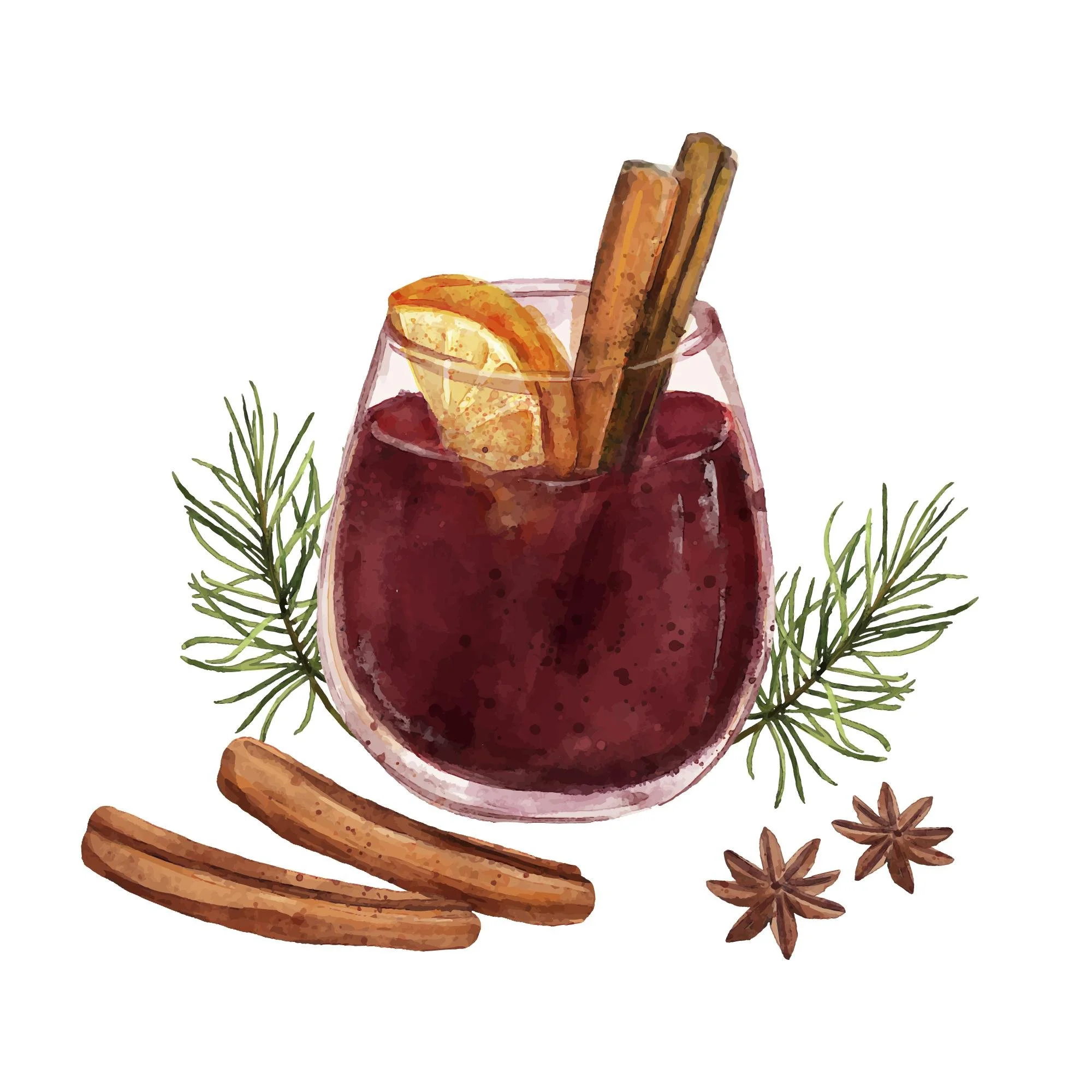
The Origins of Mulled Wine
We have many seasonal traditions with food and drink that began as practical ways to support our well being, long before they became a festive custom. One of the most well documented through history is Mulled wine
Conditum Paradoxum - a spiced and sweetened wine recorded in Roman texts as early as the 1st century CE. Romans heated wine and infused it with spices such as pepper, honey, bay leaves, dates, and saffron. This wasn’t just for pleasure, spices and wine together helped support health.
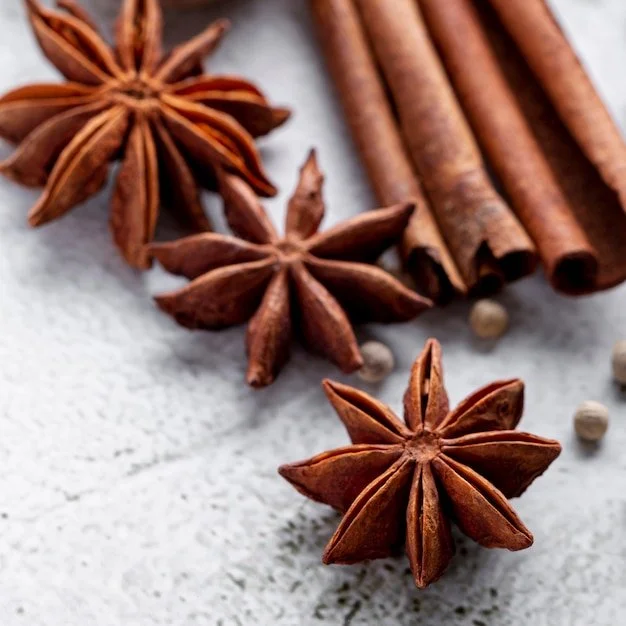
This winter elixir is infused with lemon peel, rosehips, hawthorn, cinnamon, star anise, ginger, clove, and a touch of honey, creating a flavorful and nourishing tonic. Each addition adding its own unique benefits:This was one of the earliest records of what we now call mulled wine.
Mulled wine sits beautifully at the crossroads of medicine, ritual, and pleasure and was used in many traditions during the winter time.
While modern mulled wine is enjoyed primarily for its warmth and flavour, it carries with it a long history of seasonal care and practical wisdom. Over time, mulled wine became embedded in cultural ritual and its medicinal origins faded into tradition.
Medieval Europe: Spiced wine became common, especially during winter and festive periods. Spices were expensive and symbolised wealth, warmth, and protection against illness.
Germany & Austria: Developed Glühwein, using cinnamon, cloves, citrus, and sometimes star anise.
Scandinavia: Created Glögg, often stronger and sometimes fortified with spirits.
England: Adopted mulled wine in the Middle Ages, especially during Christmas, incorporating cloves, nutmeg, cinnamon, and citrus.
Medieval herbals and medical texts frequently mention wine infused with spices as a supportive drink during the winter, especially when the body felt sluggish, chilled, or run down. Spices such as cinnamon, clove, ginger, and star anise were not used casually; they were considered valuable and were often handled and dispensed by apothecaries.
We are sharing our own twist on Conditum Paradoxum, replacing the wine with brandy, bringing together some of the best winter power houses, full of festive flavour and fantastic constituents to support you through the winter.
Seasonal Spiced Brandy – Warming Winter ElixirLemon peel: Rich in vitamin C and antioxidants, supporting immunity and digestion.
Rosehips: Packed with vitamin C, helping to strengthen the immune system and combat winter colds.
Hawthorn: Traditionally used for heart and circulatory support.
Cinnamon: Offers warming, anti-inflammatory, and antioxidant properties.
Star anise: Supports digestion and has antiviral and antibacterial effects.
Ginger: Relieves nausea, eases inflammation, and warms the body.
Clove: Contains antioxidants, antimicrobial and anti-inflammatory properties, supporting oral and digestive health.
Honey: Soothes the throat and provides gentle antimicrobial support.
Instructions
Chop or lightly crush your spices: 1 cinnamon stick, 3 star anise pods, 2 cloves, 1-inch piece of ginger (sliced), 1 tsp cardamom pods (optional).
Add 2 tsp dried rosehips, a few strips of lemon peel, and 2 tsp hawthorn berries with all your spices into a clean sterilised jar.
Pour in 250ml of brandy (or vodka for a neutral base) until all ingredients are submerged (some may float)
Seal the jar and store in a cool, dark place for 3–4 weeks, shaking gently every few days to help extract the flavors and medicinal properties.
Once infused, strain out solids and add 1–2 tsp honey per 100ml of tincture, stirring well.
Serve warm: add a spoonful to hot water for a soothing tonic, or take 5 - 10 drops on water.
This Elixir is a delicious, warming way to lift your spirits and support your body during the chilly winter months.
With GratitudeOrigins
It's also important to acknowledge the true origins of many of the spices we associate with Roman and European traditions. The Romans gained access to these spices through vast trade networks that stretched along the ancient spice routes. What we often recognise today as “Roman” or “European” spice traditions are, in fact, layered histories built upon much older systems of plant knowledge.
The history of spices is layered and complex. While the Romans encountered many of these ingredients through ancient trade networks, later European access to spices became tied to colonial expansion and control.
We honour the countries where these plants were first cultivated and cherished, India, Sri Lanka, Indonesia, China, Vietnam, Mexico, Iran, and Guatemala. Long before they reached Roman kitchens or European tables, these lands and the communities within them nurtured, traded, and celebrated these gifts of nature. Our appreciation for these spices is inseparable from gratitude to the generations who tended them, preserved their knowledge, and shared their wisdom with the world.
If you would like to learn more about herbalism, medicine making and shamanic wisdom, join our Shamanic Herbalism Apprenticeship or one of our Upcoming Events.