
GREEN AWAKENING: cleansing our body with the plants of spring
As we move past the Spring Equinox, and into the heart of the Spring season, life feels renewed and revitalised. This time of year, as the Plant Kingdom begins to reawaken they do so by offering us the first herbal medicines of the year. These medicinal plants have been traditionally used to help our bodies clear out winter bugs, stagnant energy, and replenish our bodies stores of vitamins and minerals.
Each herbal plant ally brings with them their own physical medicine and spiritual medicine. Interestingly a few of them are often seen as a nuisance in gardens however when we look through the lens of love, and the knowledge of medicinal plants, we are able to step into gratitude for these spring plant allies that grow prolifically at this time of year, serving us with sweet gently healing medicine.
The Herbal Plant Allies of SpringNettle (Urtica dioca)
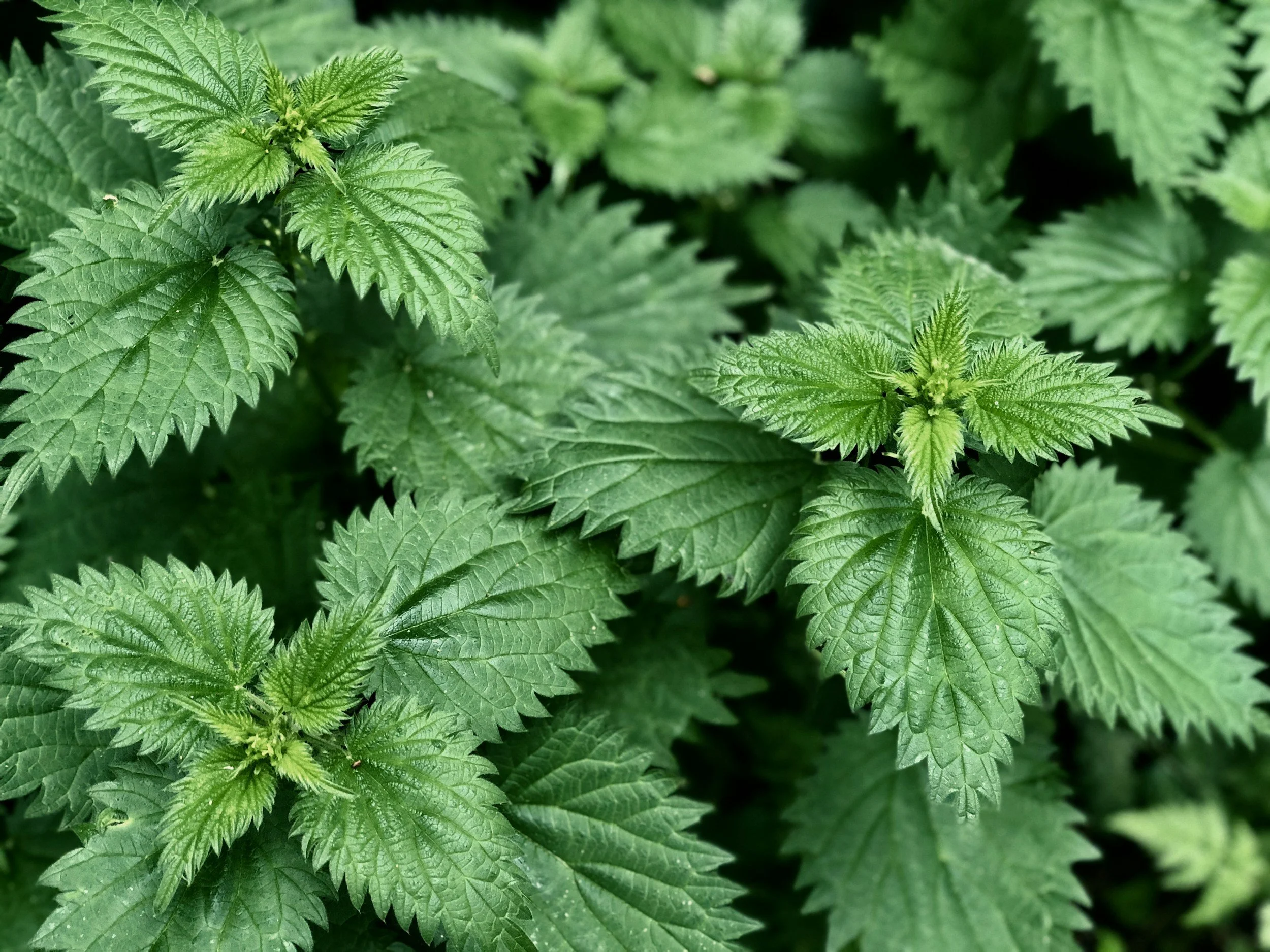
Nettle is often a widely misunderstood plant ally. At the time of writing this we having just come out of a Nettle Shamanic Plant Spirit Initiation and I can tell you that this plant not only does so much for us physically but also spiritually. Nettle is full of vitamins such as A, B2, C & E, and also minerals especially calcium supporting our bone health. Nettle supports our immune system by helping the body to gentle detoxify. Traditionally used for arthritis and to support respiratory health, recent research has found that almost all parts of the nettle are medicinal - roots, leaves and seeds, with each part having a different action and medicinal use. When approached with care and knowledge it is easy to harvest nettle without being stung, and is important to remember that when consuming nettle we only harvest the tops of young foot high nettles, and definitely not after flowering.
Dandelion (Taraxacum officinale)
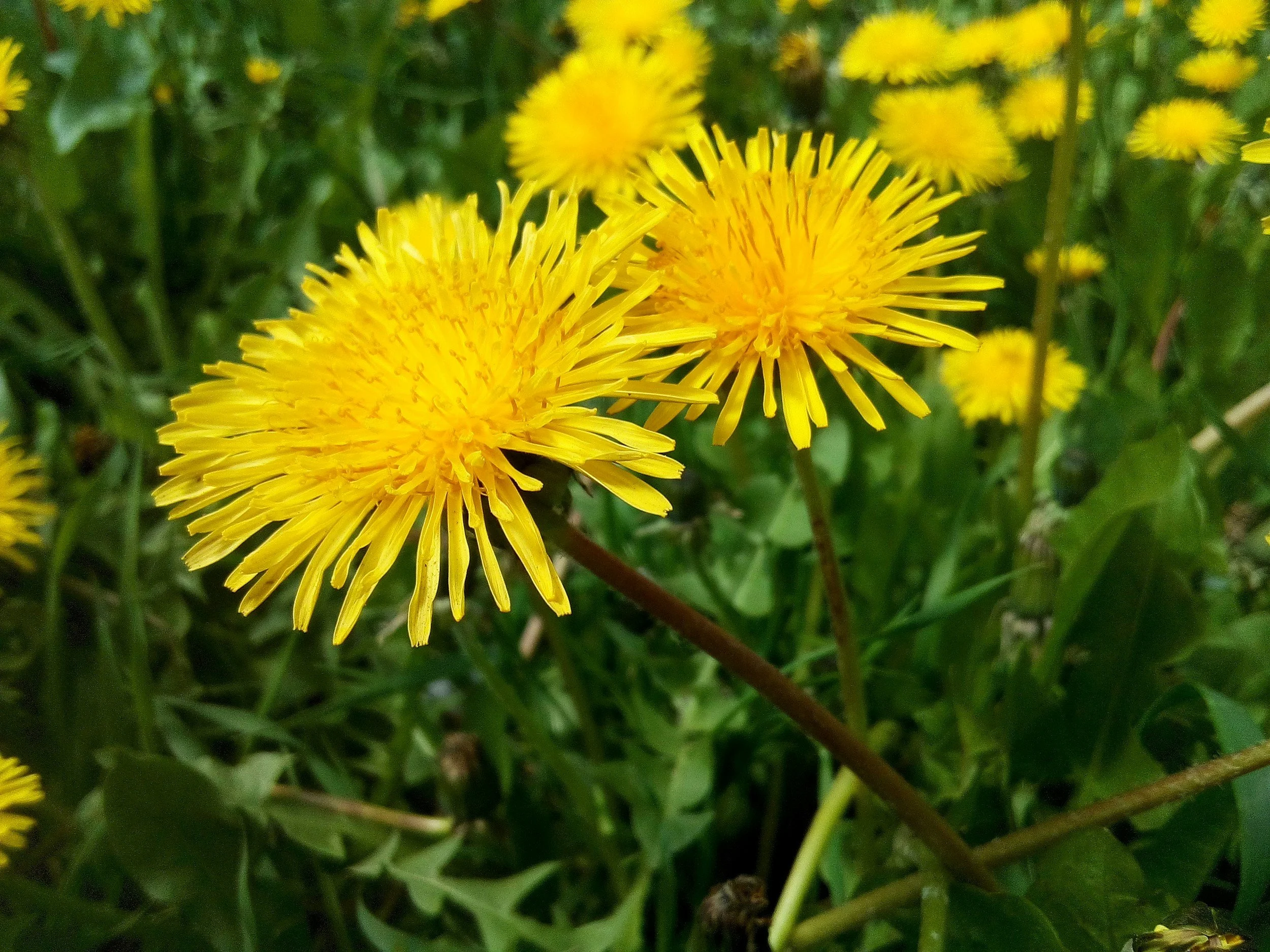
Another one of my beloved plant allies is Dandelion, as it was in a Dandelion ceremony that I was guided to become a Medical Herbalist. Dandelion is named as such after its leaf shape ‘dande’ meaning teeth and ‘lion’ meaning, well - lion. Almost entirely medicinal and edible - yellow flower heads, leaves and roots - dandelion is a bitter plant, stimulating the liver and also acts as a diuretic, helping to detoxify our bodies particularly the digestive system. The leaves and roots have been used in many traditions over hundreds of years, it is only in recent times that we have lost the connection with the land and this plant has now become a ‘pesky weed’. Dandelion’s ability to self-seed and grow back stronger after being pulled out, is just two of its qualities that teaches us so much spiritually.
Cleavers (Gallium aparine)
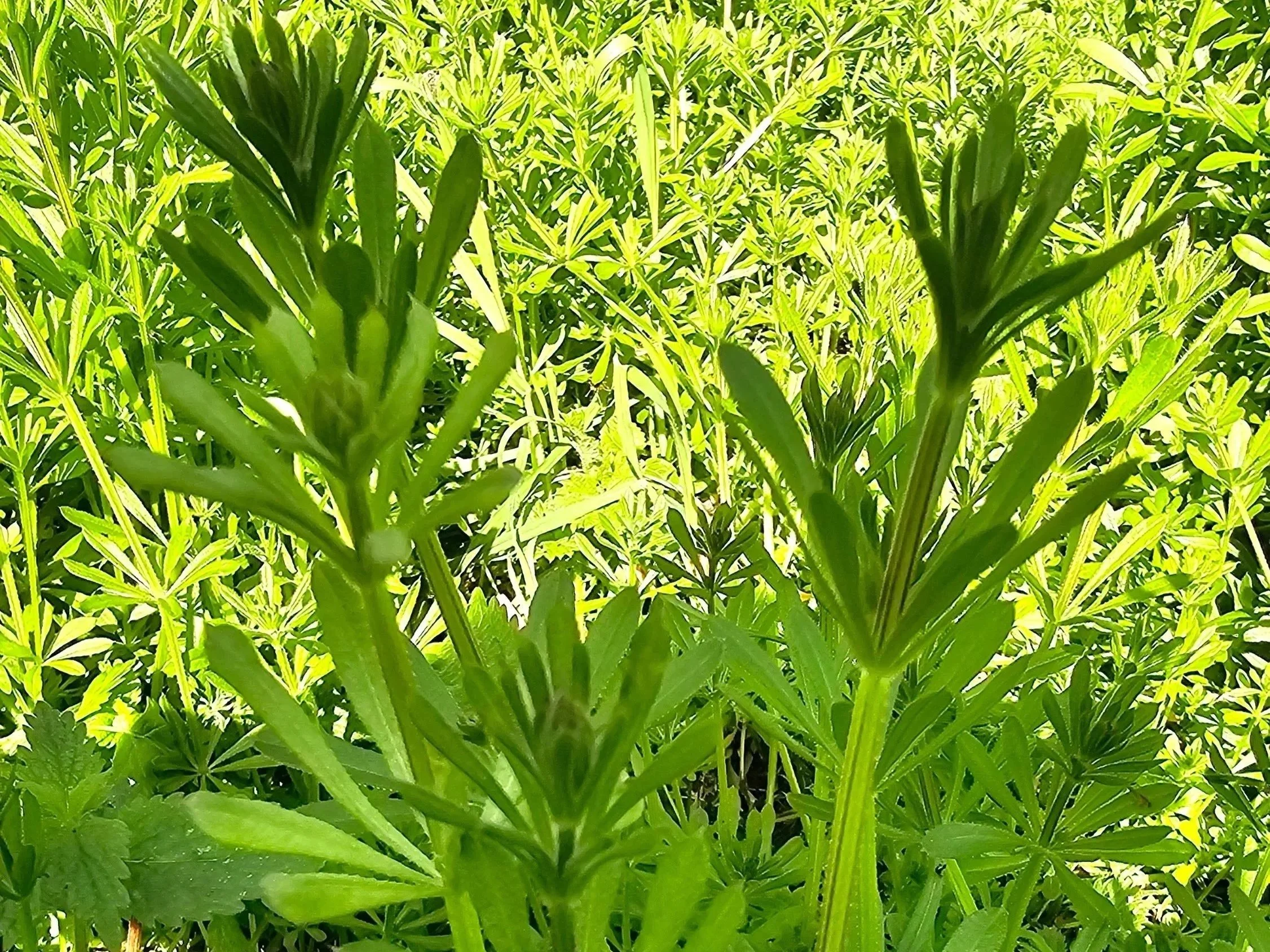
Also known as groose grasse or sticky weed, the latter perhaps is more appropriate as this little leafy plant is sticky to the touch. One of the first plants to grow abundantly in Spring, cleavers is known for its gentle action of cleansing the lymphatic system. The lymphatic system supports the immune system by breaking down bacteria and pathogens, and releasing antibodies. How cleavers exact mechanism of action on the lymphatic system is unknown as there has been very little modern research. Cleavers also acts as a diuretic supporting detoxification of the body. Energetically, amongst it’s many gifts, this plant helps us to let go of stigma that has been attached to us by the judgement of others.
Lemon balm (Melissa officinalis)
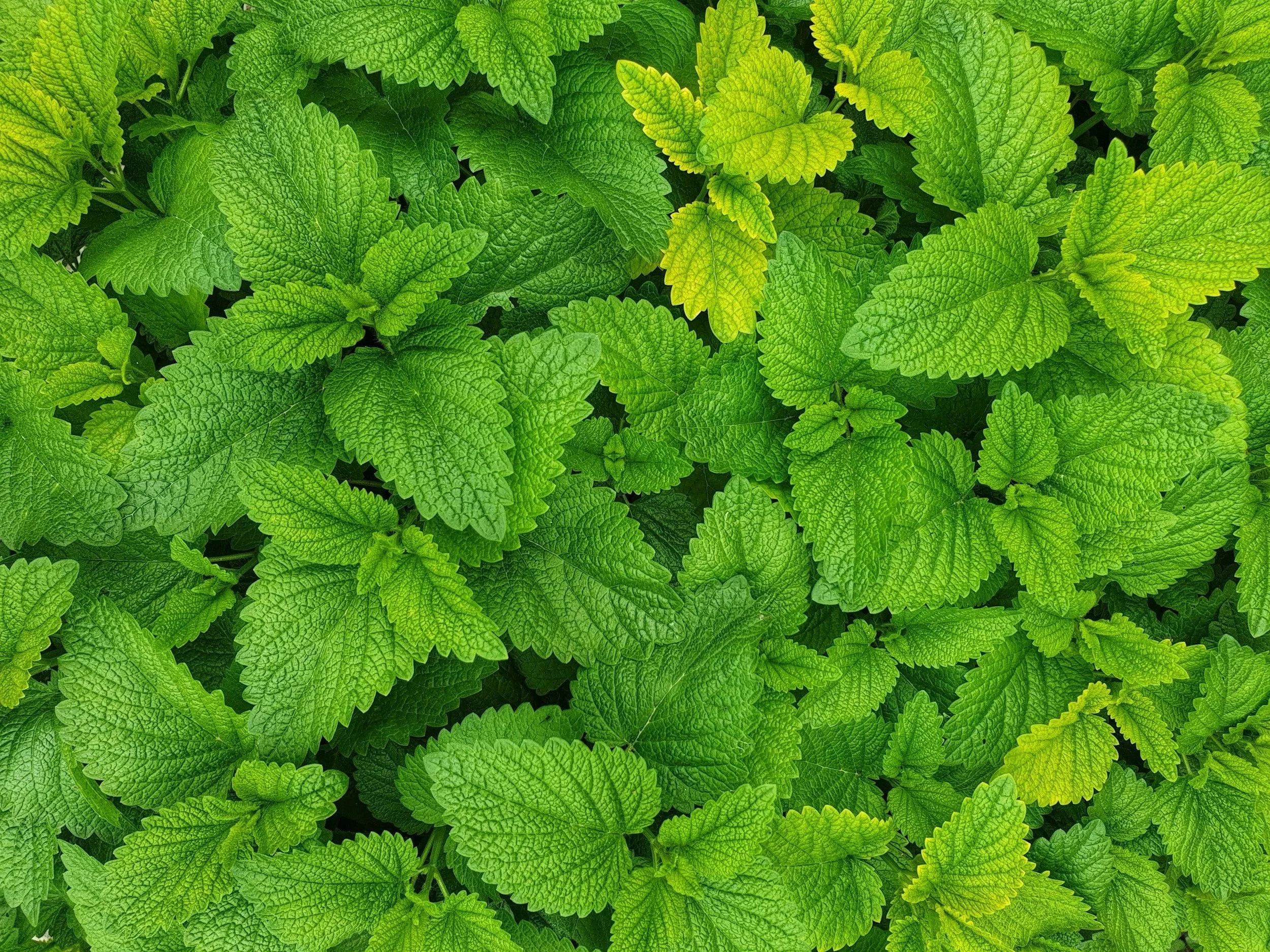
Lemon balm is another of my favourite plants because it is my go to ‘chill out’ medicine without being to dampening on the nervous system. Although maybe now it is only coming into life, lemon balm often grows abundantly and you might find that taking a few of its tender young leaves won’t impact the patch you are harvesting from. Lemon balm helps to gently relax the nervous system, improves cognitive function and supports digestion. A plant that supports the bees as it provides plenty of food, it’s latin name Melissa is a derivative from the Greek word for honeybee.
Primrose (Primula vulgaris)
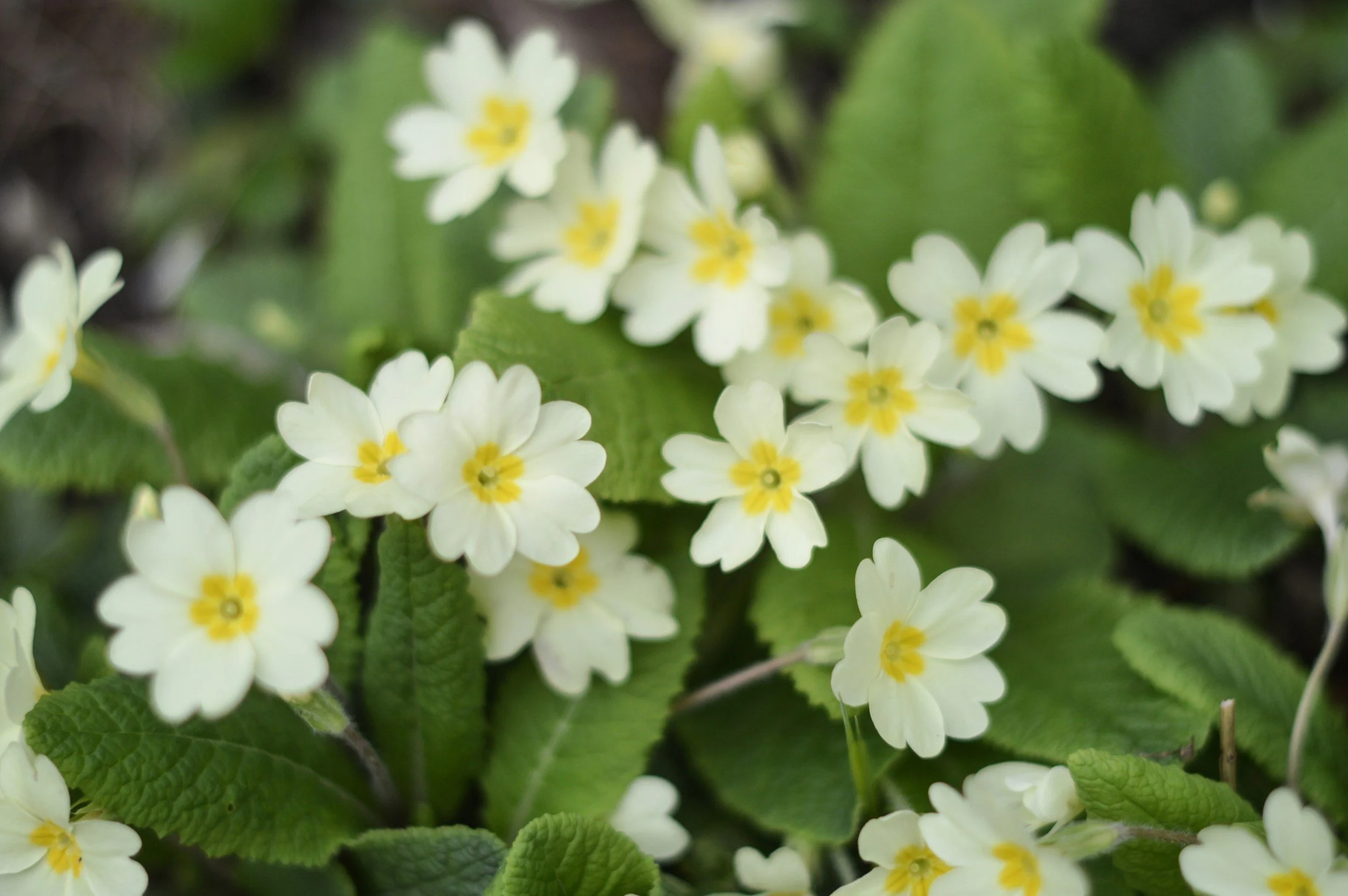
Primrose is one of the very first flower of Spring and with its common name being derived from the latin ‘prima rosa’ meaning first rose. Primrose flowers and leaves are edible and support the respiratory system, are antioxidant and anti-inflammatory, and support skin health when used topically. Energetically, this plant helps to bring light into the darkest parts of ourselves so we may experience joy and happiness again.
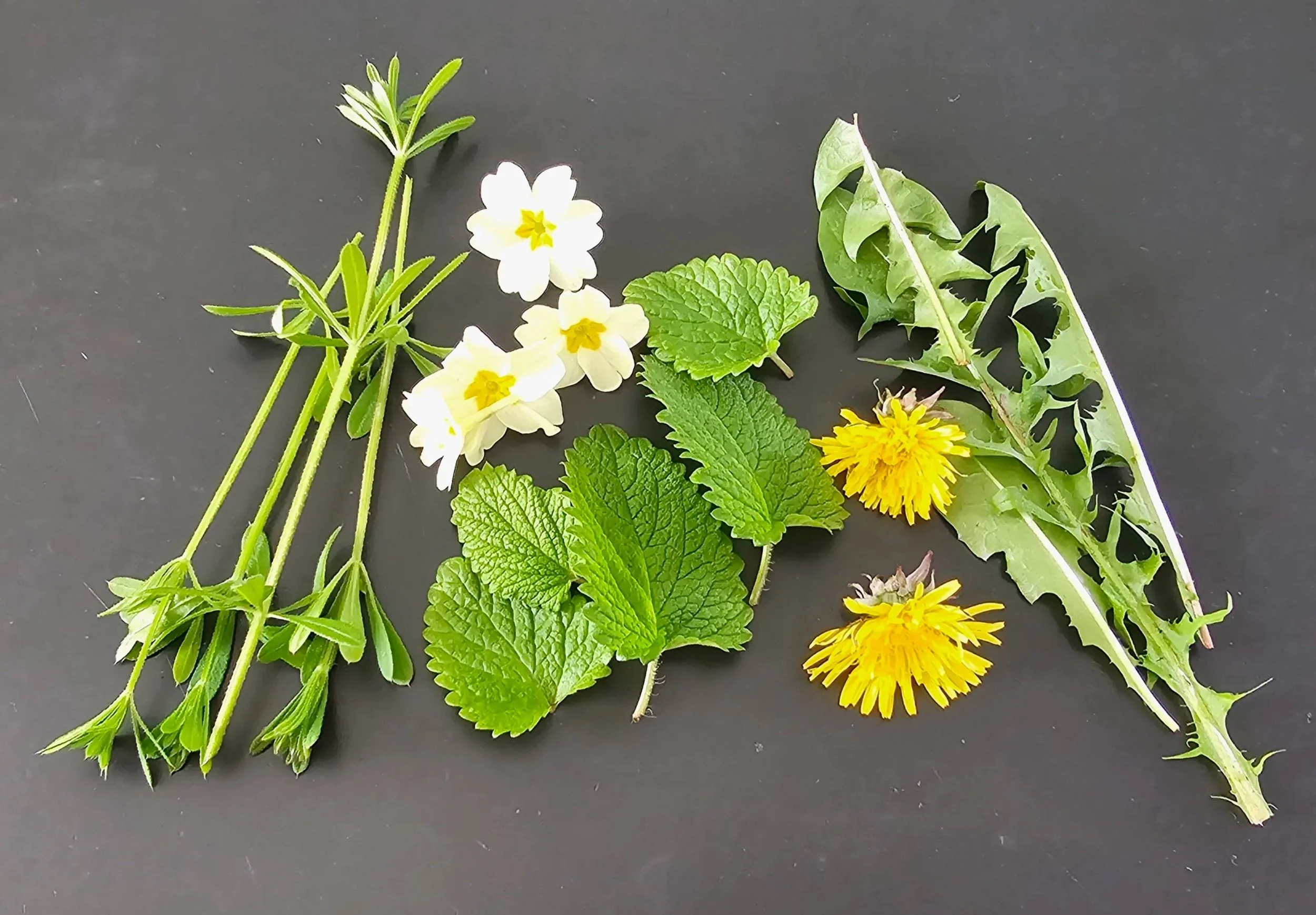
Spring tonic recipeWhat you will need:
a litre of water - I like to use filtered, spring or distilled
2-3 young nettle tops (not shown in pic)
2 yellow dandelion flower heads
2-3 small to medium sized dandelion leaves
3-4 sprigs of cleavers
3-4 young lemon balm leaves
3 primrose flowers
good quality honey such as raw local honey or manuka honey, add as much to personal taste or leave out completely
Glass jug or flask that can hold 1 litre
Method:
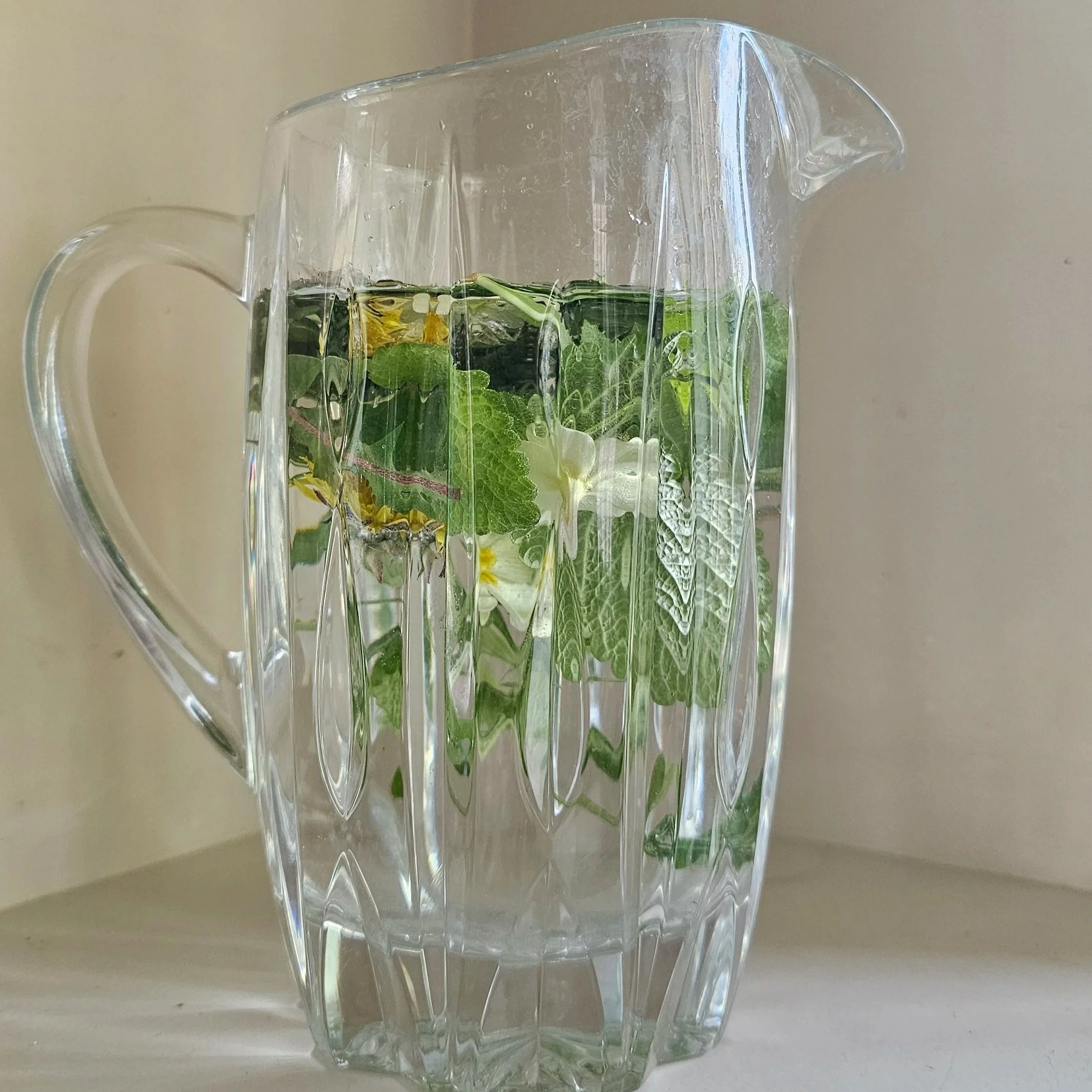
Step 1: Harvest your plants. Always be mindful of where you are harvesting from especially if plants are exposed directly or indirectly to chemicals. Cleavers are always best harvested fresh before making. You can if you like very gently rinse your harvest in cold water. You may also want to let your harvest ‘rest’ for a short amount of time to let any bugs escape. As always in shamanic herbalism, harvest mindfully, offering your plant a prayer of gratitude for giving up its life to be your medicine.
Step 2: Once you have gathered your ingredients, put all the herbal material into the jug and cover with water. Let your plant material steep in the water overnight in the fridge.
Step 3: In the morning, remove the herbal material and put in your compost or back out into the land (no need to send these plants off to landfill). Pour yourself a glass of the infused water (around 250ml) and add honey to taste.
Step 4: Enjoy! Have up to 3 glasses a day. The cold herbal infusion will usually last a few days if stored in the fridge.
Caution should always be exercised when using wild plants in cooking or consuming them. Proper knowledge and identification are essential to ensure safety and avoid any potential health risks.